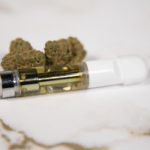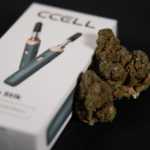
Lifestyle choices often reflect the balance between pleasure, wellness, and practicality. For many adults who consume nicotine or cannabis, the choice between vaping and smoking has become more than a health question—it’s a reflection of personal identity, convenience, and culture. While both methods deliver similar effects, their impact on daily living, social perception, and long-term wellness differ in meaningful ways.
The Cultural Shift Toward Vaping
Vaping has evolved into a global subculture, blending technology, design, and wellness-oriented marketing. For cannabis and nicotine users alike, vaping symbolizes modernization—a cleaner, discreet alternative to the traditional ritual of smoking. Vaporizers and vape pens are often sleek, portable, and customizable, aligning with a generation drawn to innovation and personal expression.
Beyond style, vaping has redefined the social setting. Instead of smoky rooms and lingering odors, vaporizers produce vapor that dissipates quickly and comes in a variety of flavors or terpene profiles. In wellness-driven circles, particularly among younger professionals and health-conscious adults, vaping is seen as a way to enjoy relaxation or recreational effects without the stigma often associated with smoke.
Smoking’s Enduring Ritual
Despite the rise of vaping, smoking continues to hold cultural and emotional weight. Rolling a joint, lighting a cigarette, or packing a pipe involves a sensory experience that’s as much about ritual as it is about effect. The tactile act of preparation and the smell of burning flower or tobacco can evoke nostalgia, grounding the smoker in a timeless practice that stretches across generations.
Among cannabis enthusiasts, smoking remains a symbol of authenticity. Many still prefer the flavor and immediate connection to the plant that combustion provides. Sharing a joint or bowl remains a communal act—one tied to friendship, storytelling, and relaxation. For those who value tradition over technology, smoking maintains its place as a pure, unfiltered experience.
Health and Lifestyle Factors
Health remains one of the strongest arguments in the vaping versus smoking debate. Smoking—whether cannabis or tobacco—combusts organic material, releasing tar and carcinogenic compounds that irritate the lungs and cardiovascular system. Vaping, on the other hand, heats oil or flower to a lower temperature, avoiding combustion and reducing exposure to harmful toxins.
Still, vaping isn’t entirely risk-free. Studies have shown that low-quality vape oils or devices can contain contaminants or heavy metals, particularly in unregulated markets. For those who prioritize wellness, choosing lab-tested, regulated vape products is essential. Meanwhile, smokers face a steeper climb toward balance, as tar buildup and inflammation can affect lung capacity and endurance over time.
Lifestyle Compatibility
The choice often comes down to lifestyle. Vaping suits those who value discretion, convenience, and control—people who prefer to manage their intake without drawing attention. It’s also more adaptable to urban living, where smoke restrictions and scent sensitivity are common. Smokers, on the other hand, tend to embrace the slower, ritualized experience, integrating it into social moments or outdoor relaxation.
Both carry cultural weight—vaping as a symbol of progress and personal optimization, smoking as a reminder of tradition and connection. Ultimately, the “better” option depends on how each method aligns with one’s daily rhythm, health goals, and personal identity.
Whether you’re drawn to the tech-forward culture of vaping or the soulful simplicity of smoking, the key lies in mindfulness—understanding what fits your lifestyle, supports your health, and keeps your habits intentional rather than habitual.
Discover 4 cannabis vape brands worth trying here.